
Doral Neighbors by Official Source
A block search begins with land records because parcels provide clear edges. The Property Appraiser and county GIS identify owners, folios, legal descriptions, mailing addresses, exemptions, and structures. Other sources add public context. None provides a complete roll of every adult, child, guest, or renter living near a Doral address.
| Source | What It Shows Around a Block | Access |
|---|---|---|
| Public Notification and GIS | Selected parcels, owner or notice output, map | Free county viewer |
| Property Search | Owner, situs, mailing address, folio and exemption | Free parcel search |
| Recorder | Transfers and liens tied to parties or legal description | Most records from 1974 online |
| Voter extract | Public registered-voter address fields | State request; protected fields blank |
| Doral permits and code | Work, case, applicant, owner and status | City or county channel by date |
| Associations | Voluntarily public board and contact details | Public city or group pages |
Owner and occupant are not synonyms. The tax-roll addressee may live elsewhere. The exemption field can support an owner-occupancy theory, but it is not a household list. Each source should be labeled for what it proves and what it merely suggests about Doral neighbors.
Map a Doral Neighbor Block
The Miami-Dade Land Information Viewer accepts an address, intersection, landmark, folio, survey location, municipality, district, or permit number. Its parcel and lot layers let the search move from one home to the lots touching its boundary. Keep the folio for every parcel because it links the map to the tax card and recorded instruments.
- Standardize the full address, including its NW direction and street-type abbreviation, then locate the subject parcel.
- Click each adjoining lot and note its folio. Use parcel edges, not a guess based on the nearest roof.
- Open each folio in Property Search. Record owner, situs, mailing address, legal description, and any exemption separately.
- Compare dates and addresses. Treat every owner as an owner unless a second record supports occupancy.
- For the chain along the full road, continue with the Doral street directory.
This address-to-map-to-folio flow keeps the scope on the immediate block. It also prevents a nearby parcel across a canal, road edge, or subdivision line from being grouped merely because it looks close on an aerial image.
Buffer Parcels Around Doral
Miami-Dade Public Notification is the strongest official tool for making a defined neighbor list. Search by address, folio, intersection, or street name. Choose the subject parcel, open Notify, enter a buffer distance in feet, and select the target properties. The tool can prepare labels in PDF or rows in Excel or CSV.
The buffer begins at the subject parcel perimeter, not its center. That makes the selected radius more useful around a large tract. The audience choice offers Property Owners or Property Occupants, but the occupant choice is a mailing-production option. It is not proof that Miami-Dade knows every person living at each site. Suppressed parcels and stale tax-mailing data remain possible.
Map tip. Export owner rows first, preserve folios, and open each parcel card before describing anyone as connected with the Doral block.
Note: Public Notification can export a useful mailing list, but its labels must not be presented as a verified resident roster.
Doral Neighbors and Voter Data
The personalized Miami-Dade voter tool is not a block browser. A voter supplies identity fields to retrieve an individual record. A lawful block analysis instead depends on Florida's public voter extract, which can contain a name, residence and mailing address, birth date, party, registration date and status, precinct, districts, and election-participation flags.
Ballot choices are never disclosed. Social Security and driver-license numbers, registration source, declinations, data for preregistered minors, and protected addresses remain confidential. The statewide extract arrives on a monthly optical disk after a request, rather than as a live download. Exempt values appear blank or withheld. That means an absent name does not prove that no registered voter lives at the address.
The October 2025 public-record guidance reinforces this split. Sort only fields lawfully released for Doral and keep the protected blanks intact. Do not use a personal status form to test names around a block.
Doral Neighborhood Association Contacts
City Community Assistance pages and resolutions identify real community bodies. These groups can be a sound route for a voluntary introduction, meeting notice, or board contact. Their existence does not make a private membership or resident roster public.
Apex at Park Central
Use the city's neighborhood-association resource to find a published community contact or board channel.
Doral Estates HOA
Rely on voluntarily published officers and official contact routes, not private member lists.
Islands at Doral
Named bodies include Islands at Doral III, Townhomes, and Santorini at Islands at Doral.
Village Associations
Village of Doral Cove and Village of Doral Dunes appear among documented community groups.
The city says it does not control HOA rules. The Florida DBPR office in Doral handles relevant condominium and association matters. Public corporate filings or meeting records may name officers, yet they still do not identify every neighbor or member.
Doral Community Directory Limits
The Doral Chamber public directory adds a business and community-leader layer. It can show a contact name, business address, phone number, and website. That helps identify a public-facing local role, but it is not a directory of private Doral neighbors.
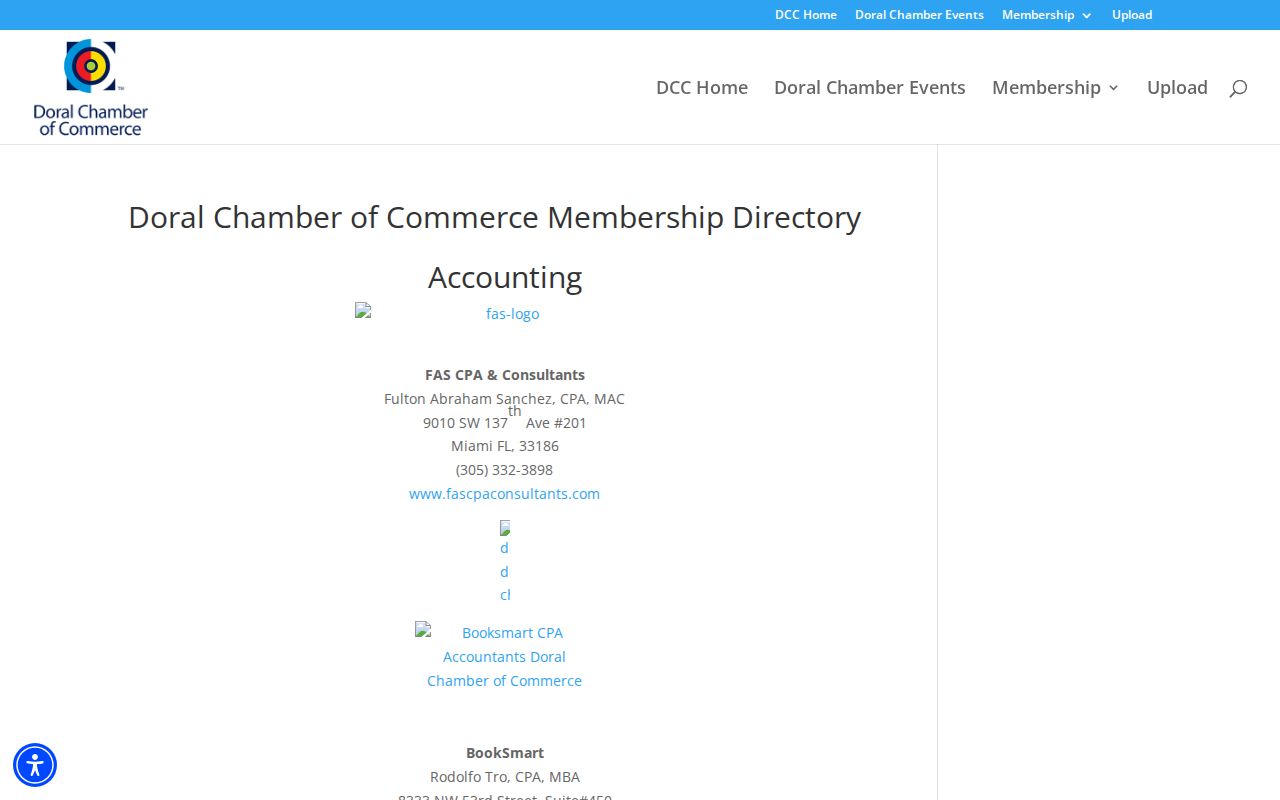
The category layout reinforces that these are organization and business contacts, not household entries.
For local memory rather than current contact, the Miami-Dade Public Library System Community Memory Project accepts photographs, scrapbooks, news, brochures, and correspondence. Doral Branch offers nearby library access, while Main Library holds the genealogy shelf. Those collections can explain a neighborhood's past without exposing a private roster.
Doral Block Permit Evidence
Permits and code files can explain visible work around a block. They may name an owner, applicant, contractor, work type, inspection, allegation, or status. A name on one of these records describes that person's role in the file. It does not automatically make that person an occupant.
Doral's permit trail crosses a local custody seam. City records generally govern after the municipal handoff, while permits started by Miami-Dade County before October 1, 2004 remain on the county side. The city open-permit form can be sent by email, fax, or in person and carries a $35 research fee per address or folio. Doral's separate lien-letter service costs $150 per address and warns that county official records still need their own search.
A chapter 119 request can reach city material not exposed through a portal. Include a full address, folio, record type, and date range to help staff identify the block file without sweeping in unrelated residents.
Doral Neighbor Tools Compared
Official rolls and commercial neighbor tools serve different roles. County records identify who owns a parcel and preserve the field definitions behind that result. Commercial products combine public and private feeds, may charge for details, and can carry stale or mismatched names. Neither source should be treated as a complete household list.
| Feature | Official Doral Sources | Commercial Category |
|---|---|---|
| Source trail | Named county or state custodian | Mixed feeds may be unclear |
| Best use | Parcel, docket, filing, or voter field verification | Possible lead requiring confirmation |
| Correction | Ask the custodian to correct its record | Use the provider's removal or correction route |
| Limits | Statutory exemptions and record purpose | Stale, merged, or republished data |
Correct an official error at its source first. A commercial opt-out does not erase the public record and may not stop a later refresh. Use no more identity data than a removal process truly requires, retain confirmation, and recheck only when necessary.
Doral Neighbors and Safety Records
Public safety systems answer narrow questions. They should not be turned into a general label for a block. Miami-Dade's custody tool covers people currently held by the county. Florida Corrections reports state prison or supervision records. The FDLE registry has a geographic mode for qualifying registrants and includes a direct warning against threats or harassment.
See the Miami-Dade current custody form before searching a name.
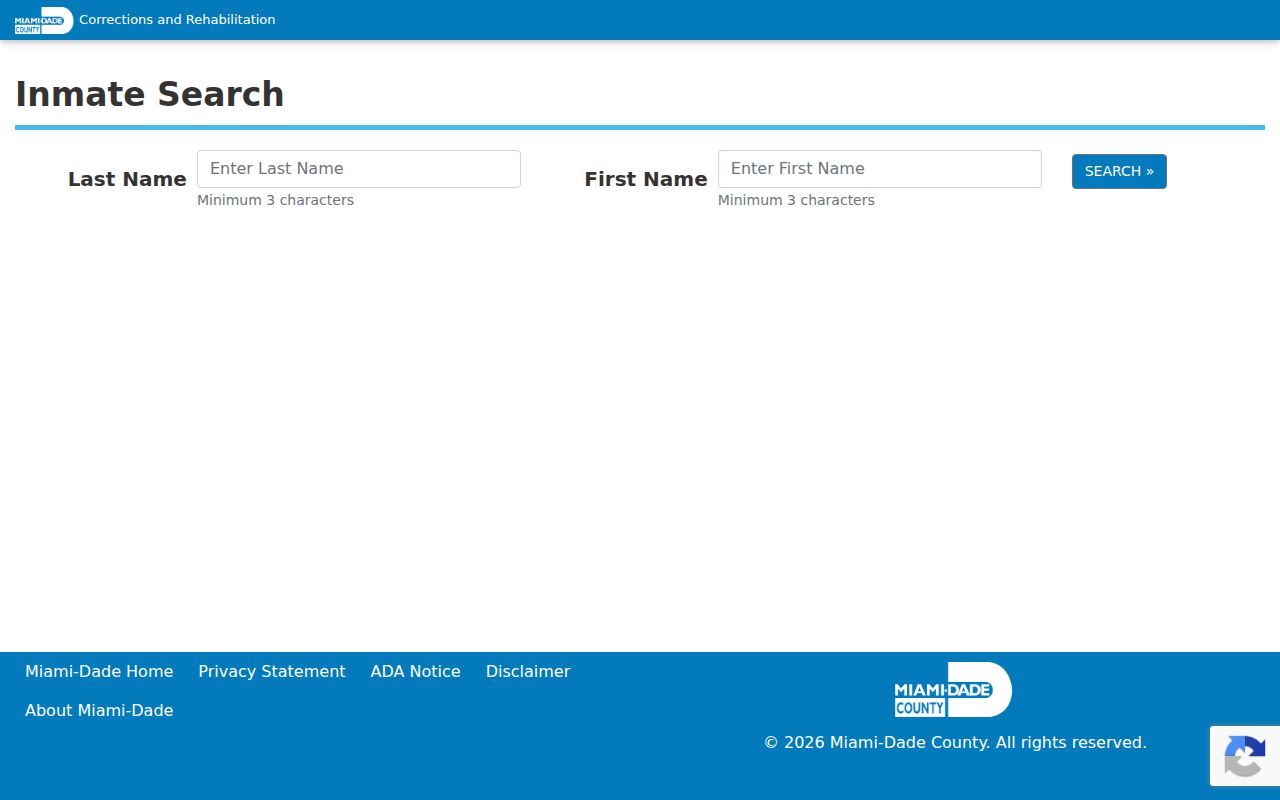
The form's name fields lead only to current custody records, not a full court history or a list of Doral neighbors.
The Florida Corrections offender search covers state custody and supervision history.
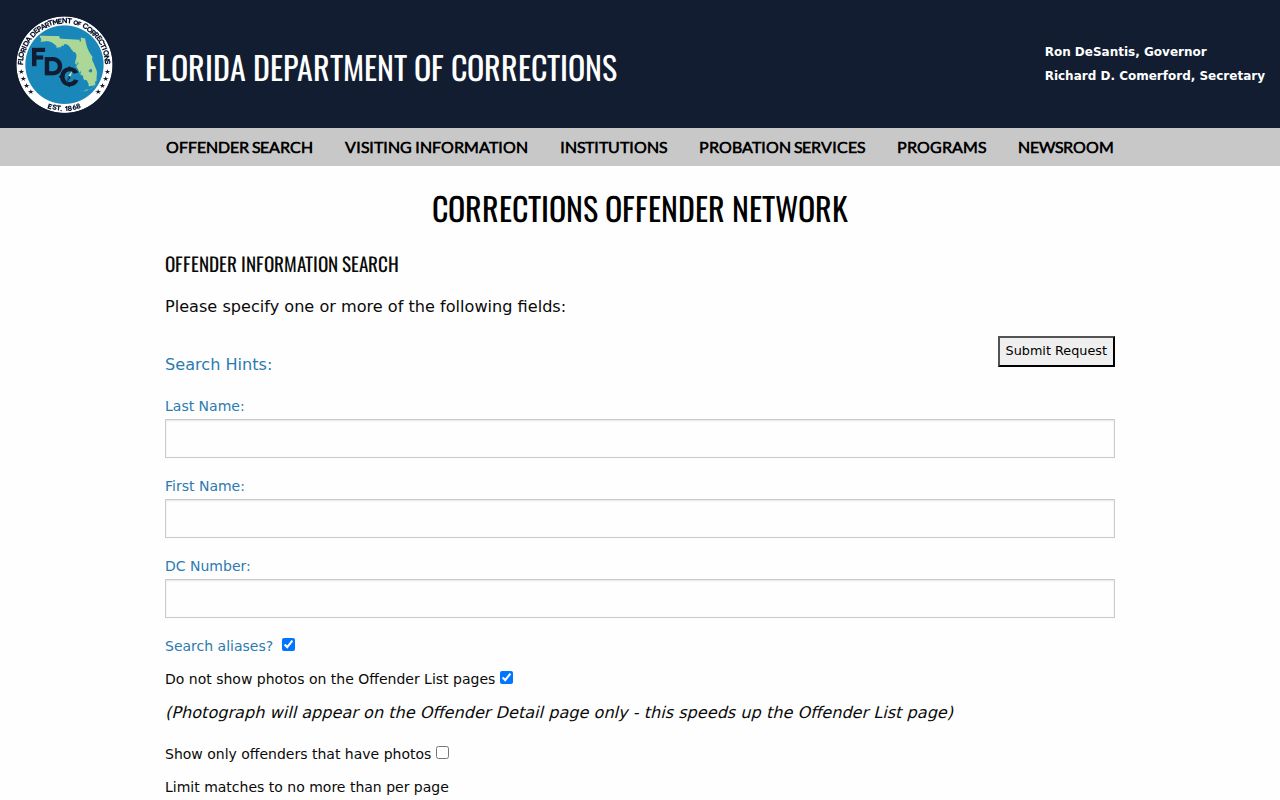
Confirm identity, status, facility, or release details on the record itself and do not infer facts about nearby households.
The FDLE neighborhood registry search accepts an address, city, ZIP, and radius.
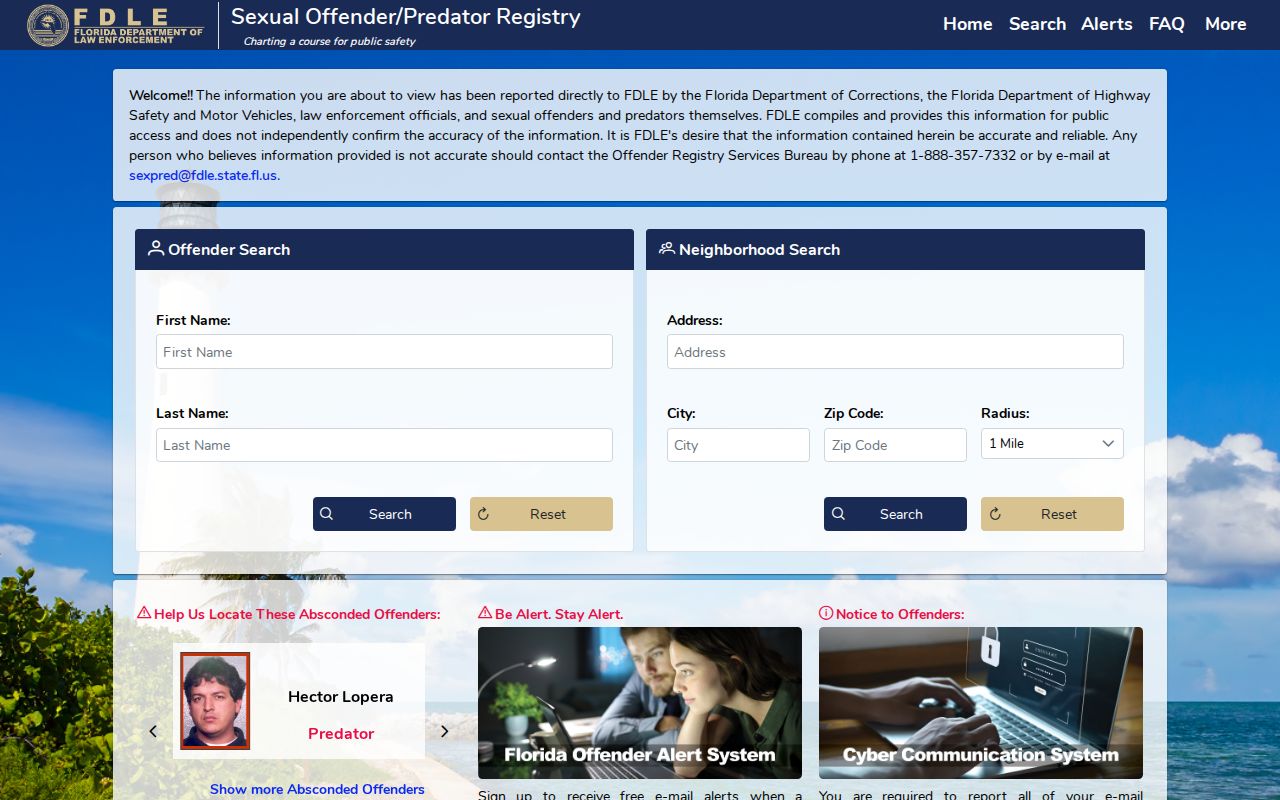
Results concern the registry's defined population only. They are not evidence about everyone who owns, visits, or lives on the block.
Privacy for Doral Neighbors
No public block roll can establish every renter, minor, family tie, utility customer, delivery address, DMV address, or person inside a home. Florida's Safe at Home program gives substitute-address protection to eligible survivors of domestic violence or stalking. Other statutory exemptions can shield addresses for certain high-risk roles and household members.
Respect empty or suppressed fields. Recorded owners, voters, complainants, applicants, and contractors must be described by the role shown, not recast as residents. Public access never authorizes watching, intimidation, impersonation, fraud, or an attempt to bypass a protected address.
Lawful use. Research Doral neighbors for community contact, reconnection, or personal safety awareness. Never use block records to stalk, harass, threaten, or harm anyone.